Real American Beer is a Hulk Hogan beer brand built around light lager, flag imagery and a promise to “bring America back together.” The problem is that the beer itself is less interesting than the marketing around it. As a product, it sits in a crowded space of easy-drinking American lagers. As a cultural signal, it says far more about celebrity branding, political identity and the modern beer aisle.
The launch arrived at a moment when American beer is already loaded with symbolism. Beer is tied to cookouts, sports, holidays, working-class identity and national rituals. That makes it powerful packaging for nostalgia. It also makes it an easy place to turn politics into a product.
What Real American Beer Actually Is
Real American Beer is positioned as a light American lager with broad, mass-market appeal. It is not a small neighborhood brewery project, and it is not a technical attempt to redefine lager brewing. Its hook is the name, the patriotic framing and the celebrity ownership attached to Terry Bollea, better known as Hulk Hogan.
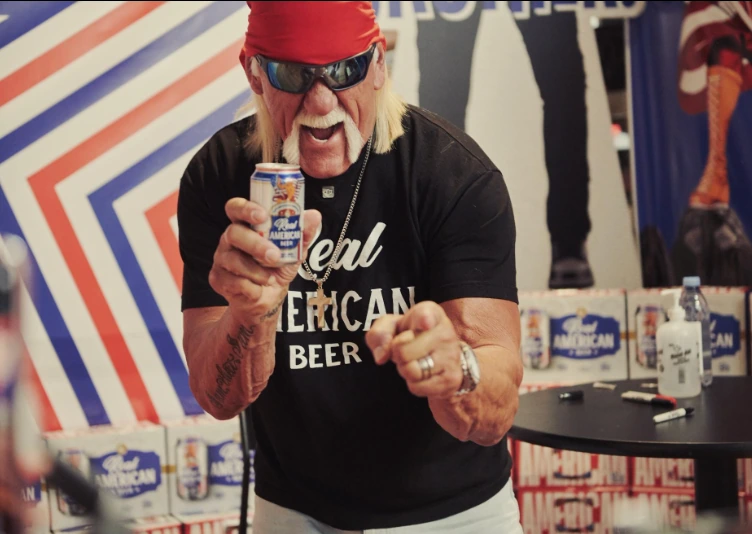
That distinction matters. Many breweries across the United States make real American beer in the literal sense: lagers, IPAs, pilsners, stouts, wheat beers and regional styles brewed by local teams for local drinkers. Real American Beer, with capital letters, turns that phrase into a brand claim.
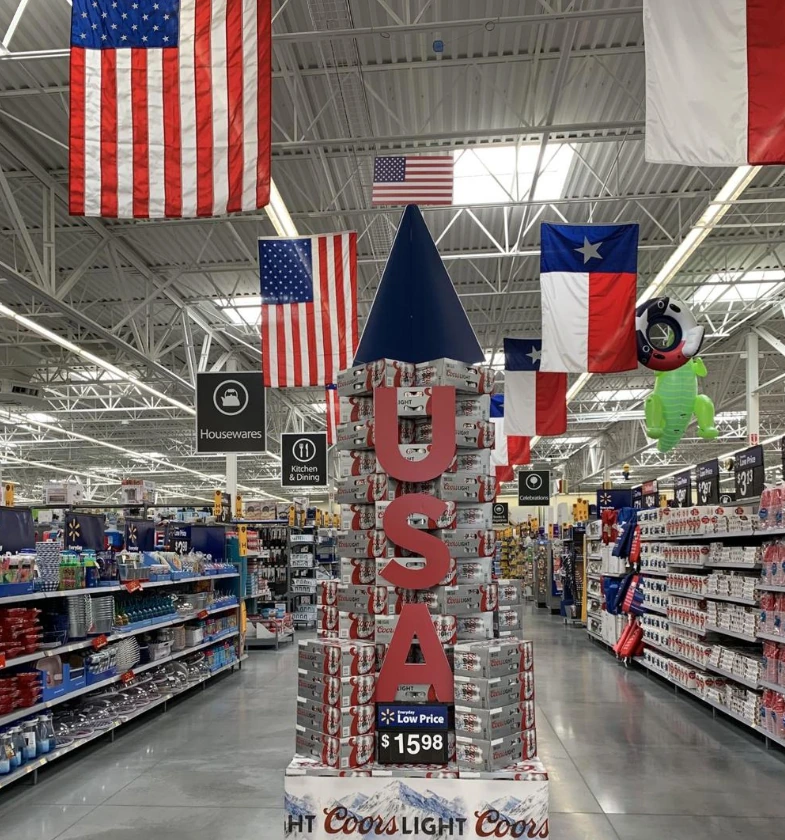
The beer’s format is familiar: light, approachable, low-risk and built for volume occasions. That makes sense commercially. Independence Day, tailgates, backyard gatherings and large retail displays reward beers that require little explanation. The challenge is that this part of the market is brutal. If a light lager does not win on price, distribution, taste, habit or cultural identity, it can disappear quickly.
Real American Beer clearly leans on the last of those: identity.
Why Hulk Hogan Beer Fits the Celebrity Alcohol Pattern
Celebrity alcohol brands usually need one of three things to survive: a genuinely strong product, a clear lifestyle audience, or enough distribution muscle to stay visible after the launch novelty fades. Hulk Hogan beer enters the market with a famous face, but fame alone does not guarantee repeat purchases.
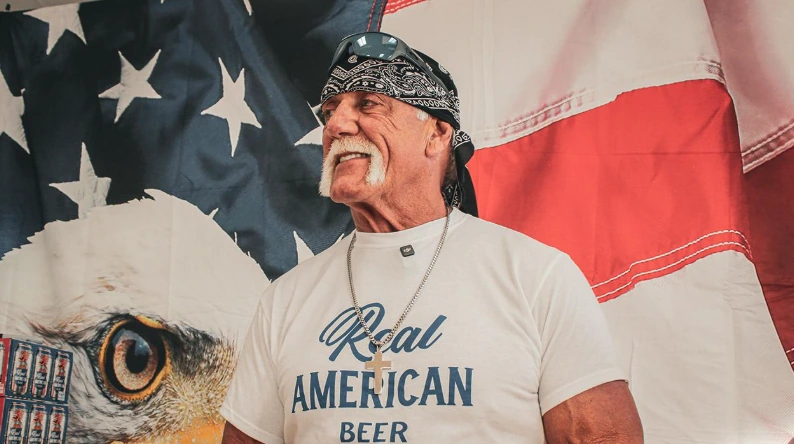
The celebrity angle gives Real American Beer instant attention. People understand the reference before they taste the beer. Hogan’s wrestling persona was built around exaggerated Americana, crowd energy and a larger-than-life version of national pride. From a branding perspective, that connection is obvious.
But obvious does not always mean durable. A celebrity beer can get trial purchases because shoppers are curious. The harder part is turning curiosity into habit. Once the joke, nostalgia or political signal wears off, the can still has to compete with established domestic lagers, regional favorites, craft options and cheaper alternatives.
That is where many celebrity drinks struggle. The launch story gets headlines. The shelf fight comes later.
Patriotism as Beer Packaging
American beer has used patriotic language and imagery for decades. Flags, eagles, red-white-and-blue cans, military references and summer holiday campaigns are familiar tools in the industry. They work because beer is already connected to national rituals: July Fourth, Memorial Day weekends, barbecues, baseball games and cooler culture.
Real American Beer pushes that tactic into the brand name itself. It does not simply say the beer is American. It implies that buying it participates in a certain idea of America.
That is the risky part. Patriotism can be inclusive when it feels shared. It can also become exclusionary when it suggests there is only one correct way to belong. A beer brand that claims to rise above politics may still carry political meaning through its language, launch platform, spokesperson and audience signals.
The phrase “real American” is especially loaded. It can sound casual and nostalgic, but it also raises an immediate question: who gets to define what counts as real?
The “Apolitical” Pitch Does Not Really Work
The central contradiction in Real American Beer is that it presents itself as a unifying beer while using a style of branding that is already politically coded. The promise is simple: forget division, have a beer, remember that Americans are more alike than different.
That sounds harmless on the surface. Beer has often played that role socially. People do meet across differences in bars, taprooms, garages and family gatherings. A shared drink can soften conversation.
But a commercial brand is not the same as a shared table. When a product uses national identity as its main selling point, the politics do not disappear. They become part of the packaging.
This is especially true when the public messaging around the brand includes arguments about borders, religion in public life and cultural division. Those are not neutral topics in the United States. They are active political arguments. A beer cannot claim to be beyond politics while repeating the language of one side of the culture war.
For readers who follow beer marketing, this is the more interesting story. The issue is not whether a celebrity can launch a lager. The issue is whether “unity” branding can work when the signals underneath it are so clearly partisan.
The Bud Light Shadow
Real American Beer also sits in the long shadow of the Bud Light backlash. After Bud Light became a target in a wider culture-war fight, several brands tried to position themselves as alternatives for drinkers who wanted their beer to signal something different.
That opened a lane for “anti-woke” or aggressively patriotic beer projects. Some were framed as protest purchases. Others leaned into military imagery, conservative identity or nostalgia for a supposedly simpler beer culture.
Real American Beer is more polished than some of those efforts, but it belongs to the same broader moment. It treats beer not only as a beverage, but as a badge. The can becomes a way to say something about what kind of consumer you are.
That strategy can create fast attention. It can also limit the audience. A beer that sells itself as national unity but feels culturally narrow risks becoming less of a mass-market lager and more of a symbol for one group of drinkers.
The Product Problem Behind the Message
Even if the branding gets people talking, the beer still has to earn space in a category where margins are tight and loyalty is hard to break. Light lager drinkers often buy by habit. They know their preferred domestic brands, imports, regional lagers or budget cases. A new entrant has to give them a reason to switch.
Real American Beer’s likely advantage is visibility. The name is memorable, and Hulk Hogan gives the brand a built-in story. Its disadvantage is that the liquid category is not especially distinctive. A light adjunct lager can be refreshing, clean and enjoyable, but it rarely gives a brand a unique sensory identity unless the execution is exceptional or the cultural positioning is powerful.
That creates a dependency problem. If the beer is ordinary, the brand must keep the story alive. If the story becomes exhausting, divisive or dated, the product has little else to stand on.
This is why patriotic beer launches often burn bright and fade. They are built for moments: holidays, controversies, campaign seasons, social media cycles. Retail success requires something less dramatic and more difficult — repeat buying after the noise moves on.
What It Says About Alcohol Culture
Real American Beer is part of a bigger trend in alcohol culture: drinks are increasingly sold as identity markers. Wine can signal taste and lifestyle. Craft beer can signal locality or experimentation. Whiskey can signal tradition. Hard seltzer can signal casual convenience. In this case, lager is being used to signal patriotism and cultural alignment.
That does not mean every person who buys the beer is making a political statement. Some will buy it because they like Hogan, because the can catches their eye, or because it is available at the right price. But brands do not operate only at the level of individual intent. They create meanings through names, campaigns and public associations.
For alcohol brands, that meaning can be useful. It can make a simple product feel larger than itself. It can also narrow the product’s future. Once a drink becomes known primarily for its politics, it may struggle to become simply “the beer people like to keep in the fridge.”
Why the Beer Aisle Keeps Attracting Culture Wars
Beer is an easy target for cultural messaging because it is widely distributed, relatively affordable and emotionally familiar. It does not require the luxury framing of wine or the connoisseur language of spirits. A beer can reach grocery stores, stadiums, gas stations, bars and backyard coolers.
That accessibility makes it valuable. A politically charged beer brand can move through everyday life faster than a niche luxury product. It can appear at parties, on social feeds, in holiday photos and in arguments about what American drinking culture is supposed to represent.
The downside is that beer also depends on broad comfort. Most drinkers do not want every purchase to feel like a declaration. When the beer aisle becomes another place to perform ideological loyalty, the casual pleasure of the category gets smaller.
That is the real tension behind Real American Beer. It wants the emotional power of national identity without accepting the political baggage that now comes with that identity.
The Real Test for Real American Beer
The future of Real American Beer will not be decided by one launch interview or one holiday sales push. It will be decided by whether people buy it again when the patriotic display comes down, when the celebrity novelty fades, and when the next culture-war product grabs attention.
If the beer finds a stable audience, it will be because the brand turns its identity into routine consumption. If it fades, it will likely join the long list of alcohol launches that mistook attention for staying power.
As a beer story, Real American Beer is not really about lager innovation. It is about how alcohol brands use belonging, nostalgia and division to sell familiar products. That makes it worth watching — not because it is the most exciting beer in America, but because it shows how crowded the space between drinking culture and political identity has become.